
Understanding the Crypto IRA A Modern Approach to Retirement Investing
April 27, 2026
9M Crypto Opportunities Challenges and Strategies
April 27, 2026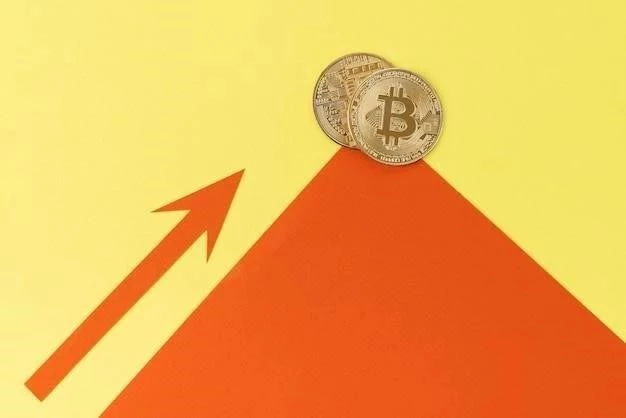
The cryptocurrency market remains a vibrant and dynamic space, constantly evolving with technological advancements, regulatory shifts, macroeconomic influences. As we navigate the current landscape, several key themes and developments are shaping the narrative for investors, developers, and enthusiasts alike.
Bitcoin’s Resurgence and Market Dominance
Bitcoin (BTC) continues to be the bellwether of the crypto market. Recent weeks have seen a notable resurgence, often driven by institutional interest following the approval of spot Bitcoin ETFs in the United States. These ETFs have opened new avenues for traditional investors to gain exposure to BTC, leading to significant inflows and contributing to its price appreciation. This institutional embrace marks a pivotal moment, signaling growing mainstream acceptance and potentially reducing volatility. The upcoming Bitcoin Halving event, while priced in to some extent, remains a critical psychological and supply-side factor that many believe will exert upward pressure on prices in the long term, reducing the supply of new BTC entering circulation and reinforcing its scarcity principle.
Ethereum’s Evolving Ecosystem: Dencun and Restaking
Ethereum (ETH) is also experiencing significant developments. The successful implementation of the Dencun upgrade was a major milestone, particularly with the introduction of “proto-danksharding” via EIP-4844. This upgrade aims to reduce transaction costs (gas fees) on Layer 2 networks by introducing ‘blobs’ for data storage, thereby enhancing scalability and making the Ethereum ecosystem more accessible and efficient for users. Alongside this, the burgeoning trend of ‘restaking’ protocols, such as EigenLayer, is gaining traction. Restaking allows staked ETH to be reused to secure other decentralized applications, offering additional yield opportunities but also introducing new layers of risk and complexity that the market is closely monitoring.
Regulatory Landscape: A Global Patchwork
Regulatory clarity remains a top priority for the crypto industry worldwide.
- United States: The SEC’s stance on various cryptocurrencies and its approach to enforcement actions continue to create uncertainty. However, the approval of spot Bitcoin ETFs and ongoing discussions around potential spot Ethereum ETFs indicate a gradual shift, albeit a cautious one, towards greater integration with traditional finance. Legislative efforts are also underway, though progress is slow.
- Europe: The Markets in Crypto-Assets (MiCA) regulation is positioning Europe as a frontrunner in comprehensive crypto regulation. MiCA aims to provide a harmonized framework for issuing and providing services related to crypto assets across the EU, fostering innovation while ensuring consumer protection and market integrity.
- Asia: Countries like Hong Kong and Singapore are actively developing frameworks to become regional crypto hubs, attracting businesses with clear licensing regimes and supportive policies.
This global patchwork of regulations highlights the need for a coordinated international approach to fully realize the potential of digital assets.
DeFi and NFTs: Innovation Amidst Maturation
The Decentralized Finance (DeFi) sector continues to innovate, with Liquid Staking Derivatives (LSDs) and Real-World Assets (RWAs) tokenization emerging as significant trends. LSDs offer liquidity for staked assets, while RWAs aim to bring tangible assets onto the blockchain, unlocking new investment opportunities and improving efficiency.
The Non-Fungible Token (NFT) market, while having cooled significantly from its 2021-2022 highs, is showing signs of maturation. Focus has shifted from speculative flipping to utility-driven NFTs, digital identity, and intellectual property integration. Gaming and enterprise applications are also exploring the potential of NFTs beyond art collectibles.
Macroeconomic Influences and Market Sentiment
The broader macroeconomic environment, particularly interest rate policies from central banks and inflation concerns, continues to heavily influence crypto market sentiment. As central banks potentially pivot towards rate cuts, risk assets like cryptocurrencies could see renewed interest. Geopolitical events also play a role, with Bitcoin often seen by some as a hedge against traditional financial instability, though its correlation with tech stocks remains notable.
Looking Ahead
The crypto industry is at an inflection point, balancing rapid innovation with the growing need for regulatory clarity and mainstream adoption. The ongoing evolution of Bitcoin and Ethereum, coupled with advancements in DeFi and a more mature NFT landscape, suggests a future where digital assets play an increasingly integrated role in the global financial system. Staying informed about these developments is crucial for anyone involved in this transformative space.