
EOS What It Is How It Works and Its Advantages
April 6, 2026
Cryptocurrency: Market Dynamics, Regulation, and Innovation
April 7, 2026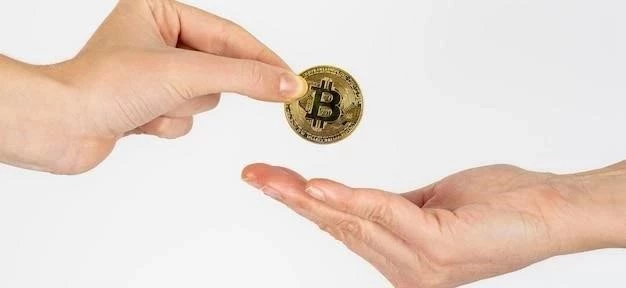
Exchanging cryptocurrency is a fundamental activity for effectively navigating the digital asset landscape. Whether swapping Bitcoin for Ethereum, converting stablecoins, or cashing out to fiat, understanding the methods and key considerations is crucial. This guide covers platforms and essential tips for secure, efficient crypto exchange.
Understanding Crypto Exchange Methods
Centralized Exchanges (CEXs)
CEXs are the most common platforms for buying, selling, and exchanging cryptocurrencies. They act as intermediaries, holding user funds. Examples include Binance, Coinbase, Kraken.
- Pros: User-friendly, high liquidity, diverse assets, advanced trading, customer support.
- Cons: Requires KYC verification, custodial risk (you don’t hold private keys), potential for hacks, regulatory scrutiny.
Using CEXs:
- Create account, complete KYC.
- Deposit funds (fiat via bank transfer/card, or crypto).
- Navigate to “Trade” section.
- Select crypto pair.
- Enter amount, confirm.
- Withdraw or hold.
Decentralized Exchanges (DEXs)
DEXs enable direct crypto trades from personal wallets, without intermediaries. They operate on blockchain technology using Automated Market Makers (AMMs). Examples: Uniswap, PancakeSwap.
- Pros: Non-custodial (you control private keys), no KYC (mostly), censorship resistance, wider token range.
- Cons: Less user-friendly, higher gas fees (especially on Ethereum), lower liquidity for obscure pairs, no customer support.
Using DEXs:
- Connect Web3 wallet (e.g., MetaMask).
- Have crypto to swap + native token for gas.
- Select “Swap”.
- Choose input/output tokens.
- Enter amount, confirm in wallet.
Other Exchange Methods
- Peer-to-Peer (P2P) Platforms: Trade directly with individuals, often with escrow (e.g., LocalBitcoins);
- Crypto ATMs: Physical machines for cash-to-crypto or crypto-to-cash conversions (higher fees).
- Brokers: Services like PayPal offer simplified buying/selling, but may restrict external wallet withdrawals.
Key Considerations Before Exchanging Crypto
- Security: Use strong passwords, 2FA, avoid phishing. Protect seed phrases for DEXs.
- Fees: Compare trading, withdrawal, and network (gas) fees.
- Liquidity: High liquidity ensures quick trades at fair prices. CEXs usually offer higher liquidity.
- Supported Cryptocurrencies: Verify platform supports your desired tokens.
- User Interface & Support: Choose intuitive platforms with good customer support.
- Regulations & KYC: Understand regional rules and CEX KYC policies.
General Steps to Exchange Cryptocurrency
- Choose Your Platform: Select a CEX, DEX, or other method based on your needs and experience.
- Set Up Account/Wallet: Create CEX account and verify, or set up a compatible Web3 wallet for DEXs.
- Fund Your Account: Deposit the crypto or fiat you intend to exchange.
- Execute the Trade: Navigate to trading interface, select pair, specify amount, confirm transaction.
- Withdraw (Optional for CEXs): Consider withdrawing new crypto to a personal wallet for security. DEX swaps are already in your wallet.
Exchanging crypto is a fundamental skill. By understanding CEXs vs. DEXs and crucial considerations like security and fees, you can trade confidently. Always conduct thorough research, adhere to best security practices (e.g., never sharing private keys), and verify all transaction details. Happy and secure trading!