
Cryptocurrency: Market Dynamics, Regulation, and Innovation
April 7, 2026
Quant QNT Price Drivers and Future Outlook
April 8, 2026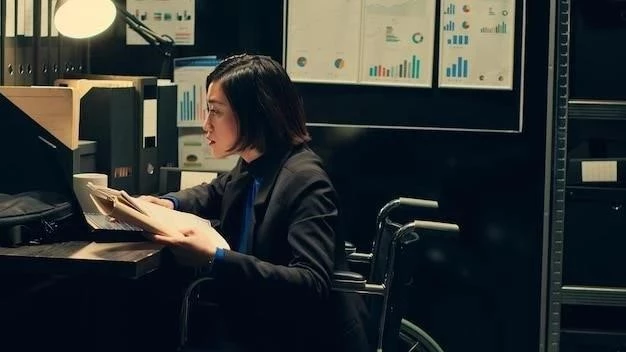
What is USCR Crypto?
The term ‘USCR Crypto’ might initially evoke a specific cryptocurrency, but it broadly represents the fascinating and increasingly relevant intersection between the United States Court Reporter (USCR) profession and the transformative power of blockchain technology and cryptocurrency principles. USCRs are the impartial guardians of the legal record, responsible for accurately transcribing courtroom proceedings, depositions, and other legal events. In an era demanding data integrity, security, and accessibility, the decentralized, immutable, and transparent nature of blockchain offers compelling solutions that could redefine how legal records are created, stored, and verified.
The Cornerstone of Legal Record-Keeping
Court reporters play a pivotal role in the justice system, ensuring that every spoken word is meticulously captured and documented. Their work forms the foundation upon which legal decisions are made, appeals are heard, and historical precedents are established. The core challenges faced by USCRs and the legal system at large include:
- Data Integrity: Ensuring that transcripts remain unaltered and true to the original recording.
- Authenticity: Verifying the origin and legitimacy of a transcript.
- Security: Protecting sensitive legal information from unauthorized access or cyber threats.
- Chain of Custody: Tracking who has accessed or handled a transcript throughout its lifecycle.
- Accessibility: Providing secure, efficient access to authorized parties while maintaining privacy.
These challenges highlight a need for advanced technological solutions that can bolster the reliability and trustworthiness of legal documentation. This is precisely where the principles underpinning ‘USCR Crypto’ come into play.
How Blockchain Can Revolutionize Court Reporting
Ensuring Unquestionable Transcript Integrity
Blockchain’s most celebrated feature is its immutability. Each block of data, once added to the chain, cannot be altered or deleted without invalidating subsequent blocks. For court reporting, this means:
- Tamper-Proof Records: Transcripts, once hashed and timestamped onto a blockchain, become verifiable against any future modifications. Any attempt to alter a record would be immediately detectable.
- Cryptographic Hashing: A unique digital fingerprint (hash) of each transcript can be recorded, providing an irrefutable proof of its original state at a specific time.
Verifiable Digital Signatures and Chain of Custody
The cryptographic underpinnings of blockchain enable robust authentication mechanisms:
- Digital Signatures: USCRs, attorneys, and judges could digitally sign transcripts using private keys, embedding their verifiable identity directly into the blockchain record. This adds an unparalleled layer of authenticity.
- Transparent Chain of Custody: Every action related to a transcript – creation, signing, access requests, sharing – could be recorded as a transaction on a private or consortium blockchain, creating an immutable audit trail. This eliminates disputes over who accessed what and when.
Decentralized Databases for Legal Documentation
Traditional centralized storage systems are vulnerable to single points of failure and security breaches. Blockchain offers an alternative:
- Secure, Distributed Storage: While large files like audio or video might reside off-chain, their cryptographic hashes can be stored on-chain, linking them to secure, distributed file systems (like IPFS).
- Controlled Access: Smart contracts can manage access permissions, ensuring only authorized individuals with the correct cryptographic keys can view or download specific legal documents.
Automating Procedural Elements with Smart Contracts
Smart contracts – self-executing contracts with the terms of the agreement directly written into code – have immense potential for legal processes:
- Automated Payments: Reporter fees could be automatically released from an escrow account once a transcript is completed, verified, and delivered according to predefined conditions.
- Conditional Access: Transcripts could be automatically made accessible to specific parties only after certain legal milestones are met (e.g., discovery completion).
- Timestamping Key Events: Critical deadlines, filing dates, and other procedural events can be immutably recorded, reducing disputes.
Navigating the Path to Integration
While the benefits are clear, integrating blockchain into the USCR ecosystem presents several challenges:
- Regulatory Acceptance: Legal frameworks need to evolve to formally recognize blockchain-verified records as admissible evidence.
- Technological Literacy: Training for USCRs and legal professionals on blockchain concepts and tools will be crucial.
- Scalability and Cost: Public blockchains might face scalability issues and high transaction fees for extensive legal documentation. Private or consortium blockchains tailored for the legal sector could be more viable.
- Privacy Concerns: Balancing the transparency of blockchain with the need for confidentiality in legal matters requires careful design, possibly through zero-knowledge proofs or permissioned ledgers.
- Interoperability: Ensuring new blockchain systems can seamlessly integrate with existing legal software and databases.
A Glimpse into Tomorrow’s Legal Landscape
The concept of ‘USCR Crypto’ is not just theoretical. It points towards a future where specialized blockchain networks or applications are developed specifically for legal documentation. Imagine a “LegalChain” where every court transcript, every deposition, every filing is cryptographically secured, timestamped, and immutably recorded. This would create an unprecedented level of trust and efficiency, reducing fraud, speeding up verification processes, and providing a verifiable audit trail for all legal records.
Such a system would not replace the human element of the USCR but augment it, empowering court reporters with tools that elevate the integrity and security of their invaluable work. It’s about leveraging decentralized technology to enhance centralized human expertise.
Paving the Way for a More Secure and Efficient Legal System
The convergence of USCR practices and blockchain technology represents a significant leap forward for legal tech. By embracing the principles of ‘USCR Crypto’ – leveraging immutability, cryptographic security, and decentralized trust – the legal system can move towards a future of enhanced transparency, irrefutable record integrity, and streamlined operations. While challenges remain, the potential for a secure, efficient, and trustworthy legal documentation process is too significant to ignore, promising a foundational shift in how justice is documented and preserved for generations to come.