Rexas Finance Crypto A Decentralized Finance Ecosystem
April 15, 2026
Understanding Cryptocurrency
April 15, 2026
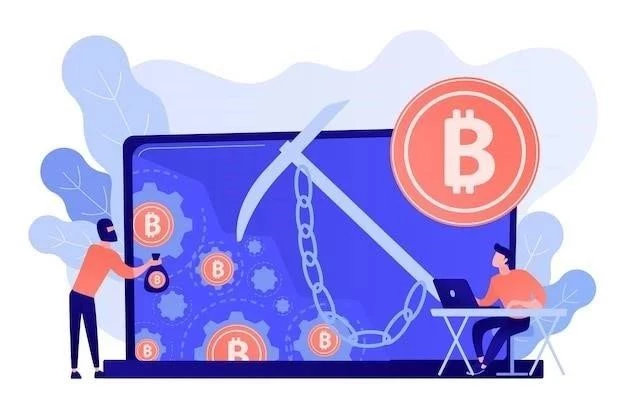
Cryptocurrency mining, once a niche pursuit for tech enthusiasts, has evolved into a complex yet potentially rewarding endeavor. While Bitcoin often dominates the conversation, a diverse ecosystem of other digital assets can still be “mined.” This article explores prominent mineable cryptocurrencies, the underlying technology, and key considerations for getting started.
Understanding Cryptocurrency Mining
At its core, mining is the process of verifying and adding new transactions to a blockchain. Miners use powerful computers to solve complex computational puzzles. The first miner to succeed gets to add the next block to the chain and is rewarded with newly minted coins and transaction fees. This mechanism, known as Proof-of-Work (PoW), is fundamental to securing the network and creating new units of cryptocurrency.
Mining hardware varies: CPUs (Central Processing Units) are suitable for some algorithms, while GPUs (Graphics Processing Units) are common for many altcoins. ASICs (Application-Specific Integrated Circuits) are specialized machines designed for specific algorithms, offering immense power but high cost and limited versatility;
Popular Mineable Cryptocurrencies
- Bitcoin (BTC): The pioneer. Uses SHA-256. Now almost exclusively ASIC-dominated due to immense network difficulty. Individual CPU or GPU mining is no longer profitable.
- Ethereum Classic (ETC): A fork of Ethereum, ETC utilizes a modified Ethash algorithm, making it GPU-friendly. It remains a viable option for those with graphics cards, especially after Ethereum’s transition to Proof-of-Stake.
- Monero (XMR): Known for its privacy features. Monero uses the RandomX algorithm, specifically designed to be ASIC-resistant and efficient for CPU mining. This makes it accessible to home miners with standard computers.
- Litecoin (LTC) / Dogecoin (DOGE): Both use the Scrypt algorithm. They are often merge-mined, allowing you to mine both simultaneously. While ASICs exist, GPU mining can still be viable, particularly through mining pools.
- Ravencoin (RVN): Utilizes the KAWPOW algorithm, designed to be ASIC-resistant and GPU-friendly. RVN focuses on enabling the creation and transfer of digital assets.
- Zcash (ZEC): A privacy-focused cryptocurrency using the Equihash algorithm. It can be mined with both GPUs and ASICs, offering flexibility for different hardware setups.
- Kaspa (KAS): A newer, high-throughput cryptocurrency based on the GhostDAG protocol. It uses the kHeavyHash algorithm, which is highly efficient for GPU mining and has gained significant popularity.
Key Considerations & Getting Started
Before diving into mining, it’s crucial to assess several factors:
- Hardware Costs: The initial investment in mining equipment (GPUs, ASICs, or CPUs).
- Electricity Costs: Mining consumes significant power; calculate your kilowatt-hour (kWh) rate as this is a major ongoing expense.
- Network Difficulty: As more miners join a network, the difficulty of finding a block increases, requiring more computational power.
- Coin Price Volatility: The market value of the cryptocurrency you mine can fluctuate wildly, directly impacting your profitability.
- Software & Pools: You will need specific mining software and often join a mining pool to combine your hash power with others for more consistent rewards.
Steps to begin:
Choose a Coin: Research current profitability and hardware compatibility.
Select Hardware: Based on your chosen coin’s algorithm and your budget.
Join a Mining Pool: This increases your chances of earning regular, albeit smaller, rewards.
Set Up a Wallet: A secure digital wallet is essential to receive and store your mined cryptocurrencies.
Mining cryptocurrencies can be a fascinating and direct entry point into the blockchain world. While the landscape is competitive and requires careful planning, opportunities still exist for those willing to invest time and resources, particularly with GPU-friendly altcoins. Always conduct thorough research and consider the long-term viability before diving in.