
Setting Up Bitcoin Mining Software on Ubuntu
September 25, 2026
Crypto Trading in Ghana A Detailed Overview
September 26, 2026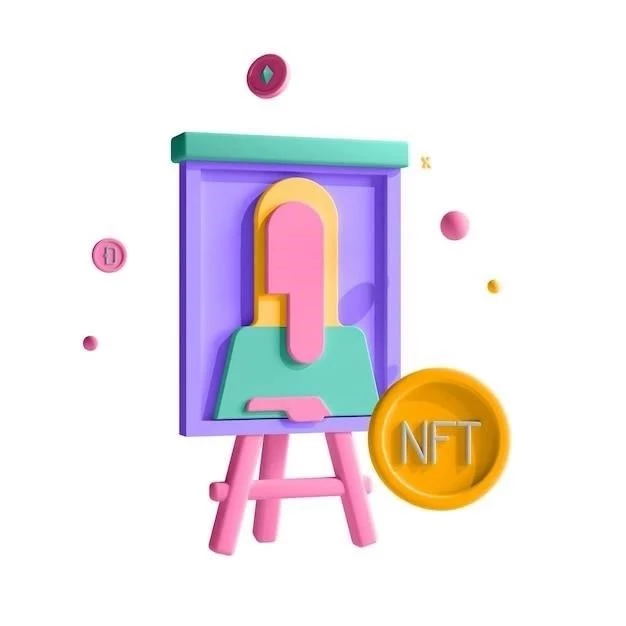
The Non-Fungible Token (NFT) space has exploded, and platforms like Rarible demonstrate the demand for decentralized marketplaces. This article outlines the key components and considerations for building a similar platform, aiming for functionality mirroring Rarible’s core features. We’ll cover technical aspects, features, and potential challenges, staying within a 2918 character limit.
Core Features & Functionality
- NFT Minting: Users should easily create (mint) their own NFTs, defining metadata (name, description, properties) and uploading associated files.
- Listing & Sales: A robust system for listing NFTs for sale, specifying price (in ETH or other cryptocurrencies), and auction options.
- Bidding System: For auctions, a secure and transparent bidding process is crucial.
- Wallet Integration: Seamless integration with popular crypto wallets (MetaMask, WalletConnect) is essential.
- Search & Filtering: Users need to easily find NFTs based on various criteria (collection, price, properties).
- User Profiles: Displaying owned NFTs, created NFTs, and transaction history.
- Royalty Management: Automated distribution of royalties to creators on secondary sales.
Technical Stack
Building such a platform requires a specific tech stack:
- Blockchain: Ethereum is the most common choice, but Polygon, Solana, or others offer scalability benefits.
- Smart Contracts: Solidity is the primary language for Ethereum smart contracts. These handle NFT creation, ownership, and sales.
- Frontend: React, Vue.js, or Angular for a dynamic user interface.
- Backend: Node.js with Express;js, or Python with Django/Flask, for handling off-chain logic.
- Storage: IPFS (InterPlanetary File System) for decentralized storage of NFT metadata and assets.
- Database: A database (PostgreSQL, MongoDB) for storing user data and off-chain information.
Smart Contract Considerations
Key smart contracts include:
- NFT Contract (ERC-721 or ERC-1155): Defines the NFT standard and manages ownership.
- Marketplace Contract: Handles listing, sales, bidding, and royalty distribution.
Challenges & Considerations
Several challenges exist:
- Gas Fees: Ethereum gas fees can be high, impacting user experience. Layer-2 solutions (Polygon) can mitigate this.
- Scalability: Handling a large volume of transactions requires a scalable infrastructure.
- Security: Smart contract security is paramount. Thorough auditing is essential.
- User Experience: Making the platform user-friendly for both crypto-natives and newcomers is vital.
- Copyright & Authenticity: Addressing issues related to NFT authenticity and copyright infringement.
Monetization
Common monetization strategies include:
- Transaction Fees: Charging a percentage fee on each sale.
- Listing Fees: Charging a fee to list NFTs.
- Featured Listings: Offering premium listing options for increased visibility.
Building an NFT marketplace like Rarible is a complex undertaking, but the potential rewards are significant. Careful planning, a robust technical stack, and a focus on user experience are crucial for success.