DeFi Lending Applications A Detailed Overview
September 29, 2026
Free Virtual Crypto Debit Cards: A Comprehensive Guide
September 30, 2026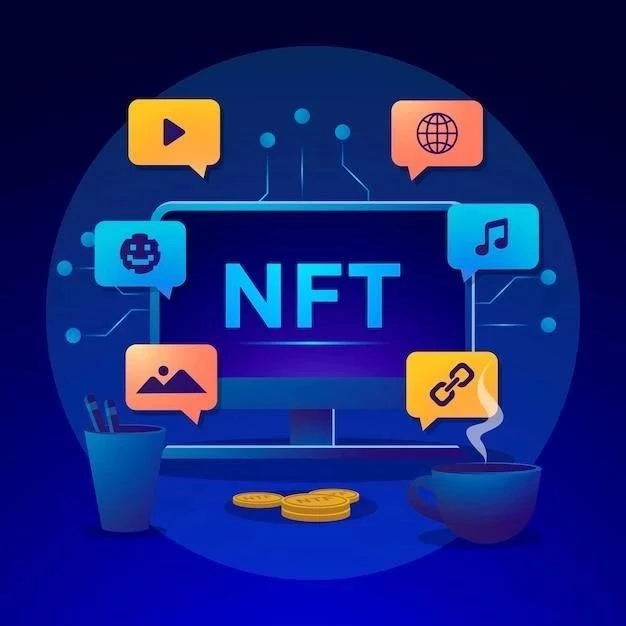
NFTs (Non-Fungible Tokens) have revolutionized digital ownership․ This tutorial outlines the core steps to building a basic NFT marketplace․ It’s complex, but achievable with dedication․
Technology Stack Selection
Choosing the right tools is crucial․ Key components include:
- Blockchain: Ethereum (most common), Polygon (lower fees), Solana․
- Smart Contracts: Solidity (Ethereum), Rust (Solana)․
- Frontend: React, Vue․js, or Angular․
- Backend: Node․js, Python (Flask/Django)․
- Storage: IPFS (InterPlanetary File System) for NFT metadata․
Smart Contract Development
The heart of your marketplace; Essential contracts:
- NFT Contract (ERC-721/ERC-1155): Defines NFT properties;
- Marketplace Contract: Handles listing, buying, and selling․
Key Functions: listNFT, buyNFT, cancelListing․
Frontend Development
User interface for interaction․ Features:
- NFT Display: Showcasing listed NFTs․
- Wallet Connection: MetaMask, WalletConnect integration․
- Listing/Buying Forms: User input for transactions․
- Search & Filtering: Finding specific NFTs․
Backend Implementation
Connects frontend to blockchain․ Responsibilities:
- API Endpoints: For fetching NFT data, initiating transactions․
- Database: Storing off-chain data (listings, user profiles)․
- IPFS Integration: Uploading and retrieving NFT metadata․
Deployment & Testing
Deploy contracts to a testnet (Rinkeby, Goerli) first․ Thoroughly test all functionalities․ Then, deploy to the mainnet․
Security Considerations
Audits: Crucial for identifying vulnerabilities․
Input Validation: Prevent malicious data․
Gas Optimization: Reduce transaction costs․
This is a simplified overview; Building a robust NFT marketplace requires significant development effort and ongoing maintenance․