
The Rise and Fall of the TenX Crypto Debit Card
September 14, 2026
Securing Your NFTs with Hardware Wallets
September 15, 2026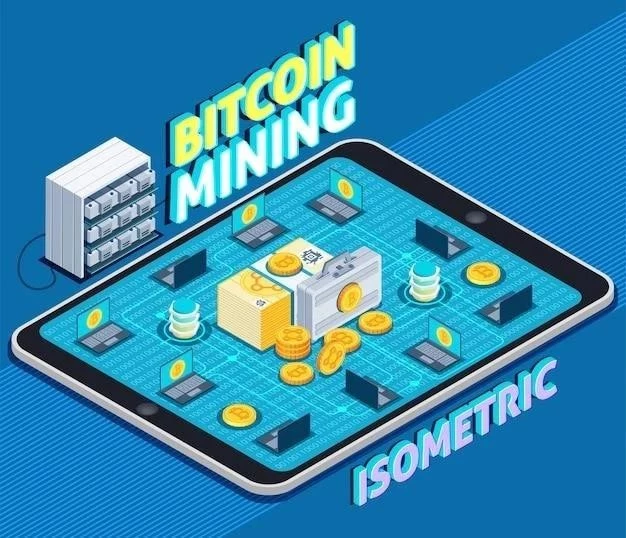
Bitcoin mining, while increasingly dominated by ASICs, remains accessible to individuals using Graphics Processing Units (GPUs). Selecting the right software is crucial for maximizing efficiency and profitability. This article details popular options, considerations, and setup basics.
Understanding GPU Mining Software
GPU mining software acts as the intermediary between your graphics card and the Bitcoin network. It manages the complex calculations required to solve cryptographic puzzles, attempting to validate transactions and add new blocks to the blockchain. Key features include:
- Mining Algorithm Support: Software must support algorithms compatible with GPU mining (e.g., SHA-256, though less efficient than ASICs).
- GPU Detection & Management: Properly identifies and utilizes all available GPUs.
- Pool Support: Connects to mining pools for consistent, albeit smaller, rewards.
- Monitoring: Displays hash rate, temperature, fan speed, and power consumption.
- Configuration Options: Allows tweaking settings for optimal performance.
Popular Bitcoin Mining Software (GPU)
CGMiner
CGMiner is a classic, open-source miner known for its flexibility and command-line interface. It supports various algorithms and offers extensive configuration options. It’s powerful but requires some technical expertise.
BFGMiner
BFGMiner is another open-source option, building upon CGMiner. It boasts a web interface for easier management and supports multiple mining protocols. It’s generally considered more user-friendly than CGMiner.
Claymore’s Dual Ethereum Miner (with Bitcoin support)
Claymore’s Dual Miner, while primarily designed for Ethereum, can simultaneously mine Bitcoin (using an algorithm like SHA-256) alongside Ethereum. This can be profitable depending on coin prices and difficulty. Note: Development has ceased, use with caution.
PhoenixMiner (with Bitcoin support)
PhoenixMiner, similar to Claymore’s, is focused on Ethereum but offers dual mining capabilities, including Bitcoin. It’s known for its efficiency and relatively easy setup. Note: Development status should be checked.
Setting Up GPU Mining Software
- Download & Extract: Download the chosen software from a reputable source and extract the files.
- Configure: Edit the configuration file (often a .conf file) to specify your mining pool details (URL, worker name, password), GPU settings, and algorithm.
- Run the Miner: Execute the mining software from the command line or through its GUI (if available).
- Monitor: Observe the hash rate and other metrics to ensure everything is running correctly.
Important Considerations
- Profitability: GPU mining Bitcoin is often less profitable than using ASICs. Calculate potential earnings before investing.
- Electricity Costs: GPUs consume significant power. Factor in electricity costs to determine profitability.
- GPU Temperature: Monitor GPU temperatures closely to prevent overheating and damage.
- Mining Pool Fees: Mining pools charge fees for their services;
- Software Updates: Keep your mining software updated for optimal performance and security.