
The Rise of NFTs on Arbitrum A Guide to Marketplaces and Collections
August 20, 2026
Bitcoin Wallet Transaction Lookup A Detailed Guide
August 22, 2026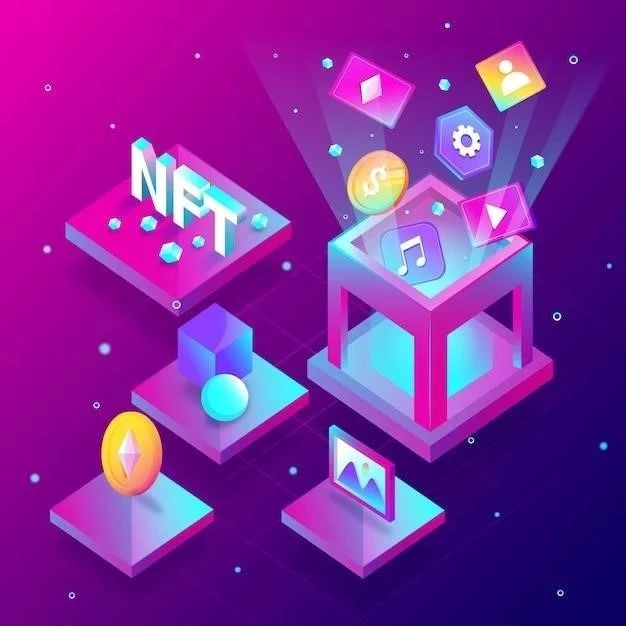
NFT marketplaces have revolutionized digital ownership, and at their core lies the smart contract. This article explores the key components and considerations when building an NFT marketplace smart contract. We’ll cover functionality, security, and best practices, aiming for a comprehensive understanding within a character limit of 2943.
Core Functionality
An NFT marketplace smart contract facilitates the buying and selling of Non-Fungible Tokens (NFTs). Essential functions include:
- Listing NFTs: Allowing sellers to put their NFTs up for sale, specifying price and other details.
- Buying NFTs: Enabling buyers to purchase listed NFTs, transferring ownership and funds.
- Cancelling Listings: Giving sellers the ability to remove listings before a sale.
- Royalties: Implementing mechanisms to distribute royalties to the original creator upon secondary sales.
- Fee Management: Handling marketplace fees charged on transactions.
Key Smart Contract Components
- NFT Contract Integration: The marketplace contract interacts with existing NFT contracts (e.g., ERC-721, ERC-1155) to manage NFT ownership.
- Auction/Fixed Price: Support for both auction-style and fixed-price listings.
- Payment Handling: Typically uses a cryptocurrency (e.g., ETH, MATIC) for transactions.
- Data Structures: Efficiently storing listing information (NFT ID, seller, price, duration).
Security Considerations
Security is paramount. Vulnerabilities can lead to significant financial losses. Critical areas to address:
- Reentrancy Attacks: Prevent malicious contracts from repeatedly calling back into the marketplace during a transaction. Use checks-effects-interactions pattern.
- Integer Overflow/Underflow: Use SafeMath libraries or Solidity 0.8+ which has built-in overflow/underflow protection.
- Front Running: Mitigate by using commit-reveal schemes or other techniques.
- Access Control: Restrict access to sensitive functions (e.g., fee adjustments) to authorized addresses.
- Gas Optimization: Efficient code reduces gas costs and improves user experience.
Implementation Details (Solidity Example Snippet)
(Note: This is a simplified example and lacks full error handling and security features.)
pragma solidity ^0.8.0;

contract NFTMarketplace {
 // ... (Mappings for listings, NFT ownership, etc.)

 function listNFT(uint256 tokenId, uint256 price) public {
 // ... (Logic to set listing details)
 }
 function buyNFT(uint256 tokenId) public payable {
 // ... (Logic to transfer NFT, handle payment, royalties, fees)
 }
}
Royalties Implementation
Implementing royalties correctly is crucial for creator compensation. Common approaches include:
- On-Chain Royalties: The smart contract automatically distributes royalties during each sale. Requires NFT contract support (e.g., ERC-2981).
- Off-Chain Royalties: Royalties are enforced through a reputation system or legal agreements.
Gas Optimization Techniques
Reducing gas costs is vital for usability:
- Data Packing: Use efficient data types and pack variables tightly.
- Caching: Store frequently accessed data in local variables.
- Minimize Storage Writes: Storage operations are expensive; reduce them where possible.
Building a secure and efficient NFT marketplace smart contract requires careful planning and attention to detail. Prioritizing security, implementing robust royalty mechanisms, and optimizing for gas costs are essential for success. Continuous auditing and testing are crucial throughout the development lifecycle.