
NEAR Protocol Accelerating Web3 Adoption
February 18, 2026
The Elon Musk Effect on Crypto
February 19, 2026
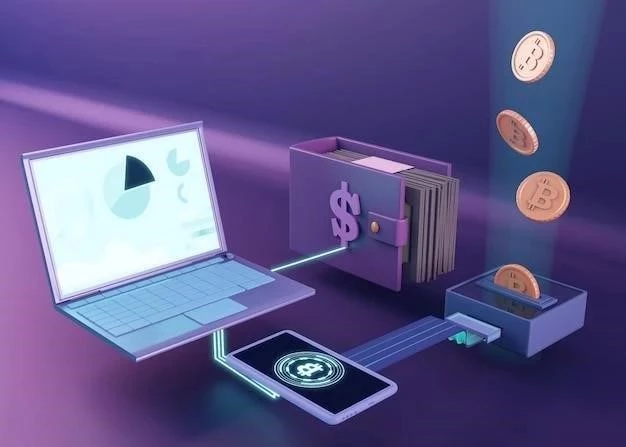
A cryptocurrency wallet is an essential tool for interacting with digital assets. Far from physically holding your crypto, these wallets are sophisticated software or hardware interfaces that allow you to store the private keys needed to access and manage your funds on the blockchain. Think of it as a digital fingerprint granting control, enabling you to send, receive, and track balances securely. It’s the indispensable cornerstone of your entire crypto journey.
Types of Crypto Wallets
Wallets are categorized as hot (online) or cold (offline), offering different balances of convenience and security.
Hot Wallets (Online & Connected)
Connected to the internet, convenient for frequent use, but generally present a comparatively lower security level.
- Software Wallets: Applications on desktop/mobile (e.g., Exodus, Trust Wallet). Offer good usability and control over your assets.
- Web Wallets: Browser-based (e.g., MetaMask, exchange wallets). Highly convenient, but rely on third-party security and are prone to online threats like phishing.
Cold Wallets (Offline Storage)
Store private keys entirely offline, offering maximum security against online hacks. Ideal for safeguarding significant holdings over the long term.
- Hardware Wallets: Physical devices storing keys offline (e.g., Ledger, Trezor). Require physical confirmation for transactions, offering exceptional security. They are the gold standard for crypto security.
- Paper Wallets: Physical printouts of keys. Entirely offline, but vulnerable to physical damage/loss and less recommended due to security complexities when spending.
How Wallets Work: Keys & Seeds
Every wallet relies on two fundamental cryptographic components:
- Public Key (Wallet Address): Your unique deposit address, shareable to receive crypto. Publicly visible on the blockchain, but reveals no ownership.
- Private Key: A secret code proving ownership and authorizing transactions. Never share it. Losing it means losing irreversible access to your funds.
Most wallets also generate a seed phrase (recovery phrase) (12 or ). This human-readable phrase restores access to your wallet and funds if your device is lost or damaged. Keep it absolutely secure and offline.
Choosing Your Wallet: Key Factors
Consider these critical factors carefully:
- Security: Paramount. Hardware for highest security. For hot wallets, seek 2FA, strong encryption, and reputable developers.
- Usability: Intuitive interface, aligning with your technical comfort level for seamless interaction.
- Supported Cryptocurrencies: Ensure it supports your desired coins and tokens. Many are multi-currency.
- Custodial vs. Non-Custodial:
- Non-Custodial: You hold private keys (“Not your keys, not your crypto”). Full control, full responsibility.
- Custodial: Third party holds keys (e.g., exchanges). Convenient, but relies entirely on their security infrastructure.
Crypto wallets are vital bridges to the blockchain. Understanding their types, functionality, and security implications is crucial for safe and effective participation. Make informed choices, implement diligent security practices, and manage digital assets confidently in the dynamic decentralized finance world.