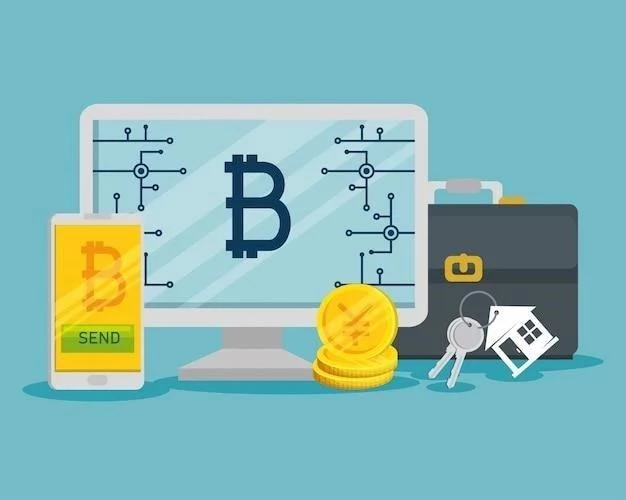

Crypto 401(k)s: A Guide to Investing in Digital Assets for Retirement
July 29, 2026
Building a Compelling Crypto Exchange UI
July 31, 2026
Kazakhstan’s relationship with Bitcoin and cryptocurrencies is evolving. While not entirely straightforward, using a Bitcoin wallet within the country is possible. This article details the options, legal considerations, and security best practices for Kazakhstani residents.
Understanding the Legal Status
Currently, Kazakhstan doesn’t have a fully comprehensive regulatory framework specifically for cryptocurrencies. However, it’s not illegal to own or use Bitcoin. The National Bank of Kazakhstan is actively exploring a Central Bank Digital Currency (CBDC) – the digital Tenge – and is implementing regulations related to crypto exchanges and mining. This evolving landscape means staying updated on the latest legal developments is crucial. Recent regulations focus on registering crypto exchanges and reporting transactions, primarily targeting businesses.
Types of Bitcoin Wallets Available
Several types of Bitcoin wallets cater to different needs. Here’s a breakdown:
- Software Wallets (Hot Wallets): These are applications you download onto your computer or smartphone. They’re convenient for frequent transactions but are considered less secure as they’re connected to the internet. Examples include Electrum, Exodus, and Trust Wallet.
- Hardware Wallets (Cold Wallets): Physical devices that store your private keys offline, offering the highest level of security. Popular options include Ledger Nano S/X and Trezor. Recommended for long-term storage of significant Bitcoin holdings.
- Web Wallets: Accessed through a web browser. Convenient but rely on a third party to secure your funds, making them potentially vulnerable to hacks. Examples include Blockchain.com and Coinbase (availability in Kazakhstan may vary).
- Mobile Wallets: Apps designed for smartphones, combining convenience with a degree of security.
Choosing the Right Wallet for You
The best wallet depends on your usage:
- Small, Frequent Transactions: Software or mobile wallet.
- Large, Long-Term Holdings: Hardware wallet.
- Occasional Use: Web wallet (with caution).
Popular Wallet Options in Kazakhstan (and Accessibility)
While specific availability can change, these wallets are generally accessible:
- Ledger & Trezor: Can be purchased online and shipped to Kazakhstan.
- Electrum: Open-source software wallet, freely downloadable.
- Exodus: User-friendly software wallet.
- Trust Wallet: Mobile wallet, popular for DeFi.
Security Best Practices
Protecting your Bitcoin is paramount:
- Strong Passwords: Use unique, complex passwords.
- Two-Factor Authentication (2FA): Enable 2FA wherever possible;
- Backup Your Seed Phrase: This is crucial for recovering your wallet if your device is lost or damaged. Store it offline, securely.
- Beware of Phishing: Be cautious of suspicious emails or websites.
- Keep Software Updated: Regularly update your wallet software.
Exchanges & Wallet Integration
Many cryptocurrency exchanges allow you to withdraw Bitcoin to your own wallet. Research exchanges operating legally within Kazakhstan and ensure they support your chosen wallet type. Binance, for example, is a popular exchange, but its availability and services may be subject to change based on local regulations.
Future Outlook
As Kazakhstan develops its regulatory framework for cryptocurrencies, expect increased clarity and potentially more localized wallet options. The digital Tenge project could also influence the adoption and use of Bitcoin wallets in the country. Staying informed about these developments is key.