
The Crypto Knights Guardians of the Digital Frontier
March 17, 2026
Crypto 8 Ply Panda Merging Blockchain Craft and Conservation
March 17, 2026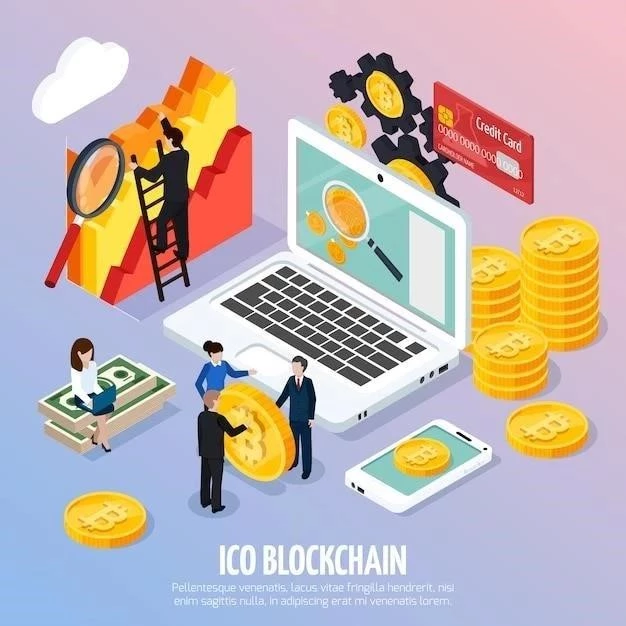
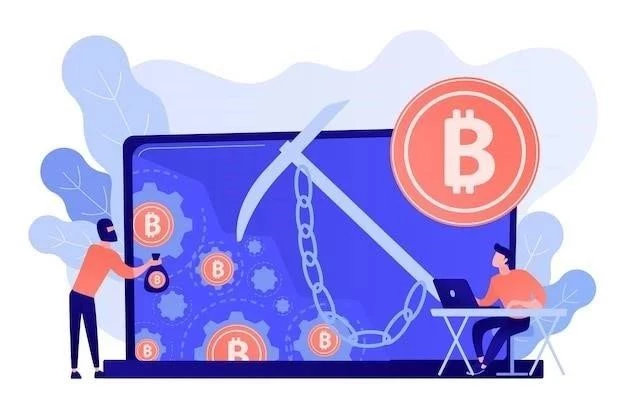
Cryptocurrency mining verifies transactions and adds them to the blockchain, also introducing new coins. Evolving from CPU to GPU to specialized ASIC machines, it’s now a competitive, capital-intensive endeavor.
Understanding Cryptocurrency Mining
Most crypto mining, especially for coins like Bitcoin, uses a PoW consensus mechanism. Miners compete to solve complex computational puzzles. The first to succeed adds a block of verified transactions to the blockchain, earning new cryptocurrency and transaction fees. This process secures the network by making tampering computationally expensive.
Types of Crypto Mining
- GPU Mining: Uses Graphics Processing Units, often found in gaming PCs. Versatile for many PoW coins (e.g., Ravencoin, Ergo). Offers flexibility but demands significant investment in multiple GPUs, motherboards, PSUs, and cooling.
- ASIC Mining: Application-Specific Integrated Circuits are hardware purpose-built for one crypto algorithm (e.g., Bitcoin’s SHA-256). They offer unparalleled hashing power but are costly and inflexible for other algorithms.
- CPU Mining: Historically first, CPU mining is largely unprofitable for most major cryptocurrencies due to GPU/ASIC dominance. It remains viable for some niche, or ASIC-resistant coins.
- Cloud Mining: Renting hashing power from a data center. Eliminates hardware purchase/maintenance, electricity, and cooling. Risks include scams, opaque contracts, and often lower returns due to service fees.
Essential Components for Mining
- Hardware:
- ASIC Miners: For specific algorithms (e.g., Bitcoin’s SHA-256, Litecoin’s Scrypt).
- GPU Rigs: Multiple high-end graphics cards (NVIDIA/AMD), robust motherboard, compatible CPU, RAM, powerful PSUs, and an open-air mining frame for optimal airflow.
- Software: A mining client (e.g., T-Rex, GMiner) connects your hardware to a mining pool; Use Windows or specialized mining OSs like HiveOS or SimpleMining OS.
- Cryptocurrency Wallet: A secure digital wallet to store earned crypto. Can be hot (online) or cold (hardware wallet) for enhanced security.
- Stable Internet Connection: Reliable, low-latency internet is crucial for consistent communication with the mining pool and blockchain network.
- Electricity: The most significant ongoing operational cost. Understanding your electricity rate is paramount for calculating potential profitability.
- Cooling & Ventilation: Mining hardware generates substantial heat. Adequate cooling (fans, AC) and ventilation prevent overheating, extend hardware lifespan, and maintain optimal performance.
Step-by-Step Guide to Start Mining
- Choose a Cryptocurrency: Research PoW coins based on profitability, future potential, and algorithm. Websites like WhatToMine.com can help compare options.
- Select Your Hardware: Based on your chosen coin and budget, decide between an ASIC miner or a GPU mining rig.
- Set Up Your Wallet: Create a secure wallet for your chosen cryptocurrency, ensuring backup and private key protection.
- Join a Mining Pool: Essential for most individual miners. Pools combine hash power, increasing block-solving chances and providing consistent, smaller payouts.
- Install Mining Software: Download and install the appropriate mining software for your hardware and chosen coin.
- Configure and Start Mining: Configure the software by entering your mining pool’s address, port, and wallet address. Start mining and monitor initial performance.
- Monitor and Maintain: Regularly check your mining rig’s temperatures, hash rate, and power consumption. Keep software updated and perform routine maintenance.
Key Considerations and Challenges
- Profitability Fluctuations: Mining profitability is highly volatile, influenced by cryptocurrency prices, network difficulty, and electricity costs.
- Initial Investment: High upfront costs for quality hardware can be a barrier to entry.
- Heat and Noise: Mining rigs generate considerable heat and noise, problematic in residential settings.
- Technical Knowledge: A basic understanding of computer hardware, software configuration, and networking is beneficial.
- Environmental Impact: Energy consumption raises environmental concerns, prompting a shift towards more sustainable practices and PoS.
- Regulatory Landscape: Regulations surrounding cryptocurrency and mining vary globally and are constantly evolving, posing compliance challenges.
Cryptocurrency mining offers a fascinating way to participate in the decentralized economy and potentially earn rewards. However, it is not a ‘get rich quick’ scheme. It demands significant research, substantial initial hardware investment, ongoing operational costs (primarily electricity), and dedicated monitoring and maintenance. Prospective miners must conduct thorough due diligence, understand the risks, and carefully calculate potential profitability before embarking on their journey. As the crypto landscape evolves, so too will mining methods and their viability, requiring miners to adapt and stay informed.