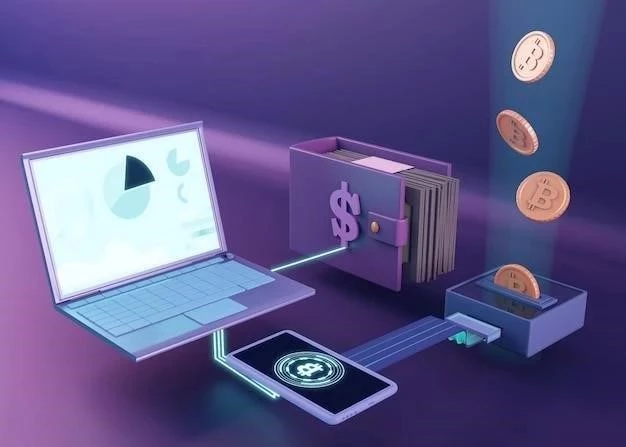

The Bybit Crypto Debit Card A Detailed Overview
July 28, 2026
Binozy Cryptocurrency Exchange Review
July 28, 2026
Bitcoin wallets are essential for participating in the Bitcoin network. But what is a Bitcoin wallet‚ and how does it actually work? It’s not like a physical wallet holding cash. This article breaks down the core concepts‚ explaining the technology behind securely managing your Bitcoin.
What is a Bitcoin Wallet?
A Bitcoin wallet doesn’t actually store Bitcoins. Instead‚ it stores the private keys that allow you to access and spend your Bitcoin‚ which resides on the blockchain. Think of it like this: the blockchain is a public ledger recording all transactions‚ and your private key is the password that proves you own the Bitcoin associated with a specific address on that ledger.
Key Components: Public & Private Keys
- Public Key: This is like your bank account number. You can share it with others to receive Bitcoin. It’s derived from your private key but doesn’t reveal your private key.
- Private Key: This is the crucial piece of information. Keep it secret! Anyone with your private key can access and spend your Bitcoin. It’s a long‚ randomly generated string of characters.
- Bitcoin Address: A shorter‚ more user-friendly representation of your public key‚ used for receiving Bitcoin.
Types of Bitcoin Wallets
Different wallet types offer varying levels of security and convenience:
- Software Wallets (Hot Wallets): These are applications you install on your computer or smartphone. They are convenient but generally less secure as they are connected to the internet. Examples include Electrum‚ Exodus‚ and Trust Wallet.
- Hardware Wallets (Cold Wallets): Physical devices that store your private keys offline. Considered the most secure option as they are immune to online attacks. Examples include Ledger and Trezor.
- Web Wallets: Accessed through a web browser. Convenient but rely on the security of the third-party provider.
- Paper Wallets: A printout of your public and private keys. Extremely secure if generated and stored correctly‚ but prone to physical damage or loss.
How a Bitcoin Transaction Works
Here’s a simplified breakdown:
- Initiation: You use your wallet to create a transaction‚ specifying the amount of Bitcoin you want to send and the recipient’s Bitcoin address.
- Signing: Your wallet uses your private key to digitally sign the transaction. This proves you authorize the transfer.
- Broadcasting: The signed transaction is broadcast to the Bitcoin network.
- Verification: Bitcoin miners verify the transaction and include it in a block.
- Confirmation: Once the block is added to the blockchain‚ the transaction is confirmed.
Security Best Practices
- Back Up Your Wallet: Create a secure backup of your seed phrase (a series of words used to recover your wallet).
- Protect Your Private Keys: Never share your private keys with anyone.
- Use Strong Passwords: Protect your wallet with a strong‚ unique password.
- Enable Two-Factor Authentication (2FA): Add an extra layer of security.
- Keep Your Software Updated: Regular updates patch security vulnerabilities.
Understanding how Bitcoin wallets work is crucial for safely and effectively participating in the cryptocurrency world. Choose a wallet that suits your needs and prioritize security to protect your digital assets.