Bitcoin Wallets: A Comprehensive Guide
July 10, 2026
Hardware Wallet Support for Sui
July 11, 2026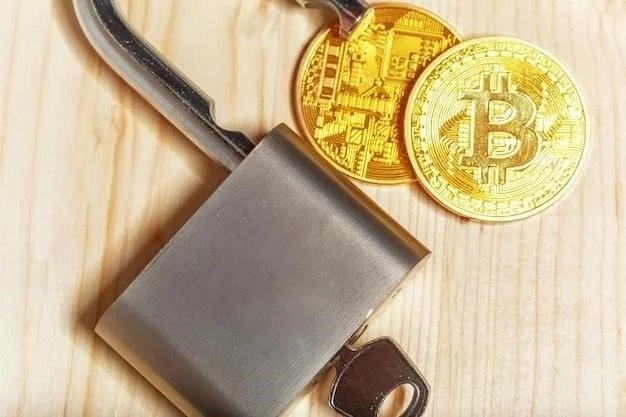
Bitcoin, the pioneering cryptocurrency, champions decentralization. A core tenet of this philosophy is self-sovereignty – you control your funds, not a third party. Non-custodial wallets are the key to realizing this vision. This article explores what they are, how they work, their benefits, risks, and popular options.
What is a Non-Custodial Wallet?
Unlike custodial wallets (like those offered by exchanges – Coinbase, Binance, etc.), a non-custodial wallet gives you complete control of your private keys. These keys are essential; they authorize transactions and prove ownership of your Bitcoin. With a non-custodial wallet, you – and only you – hold these keys. No intermediary can freeze, seize, or access your funds. Think of it like physically holding cash versus depositing it in a bank.
How Do They Work?
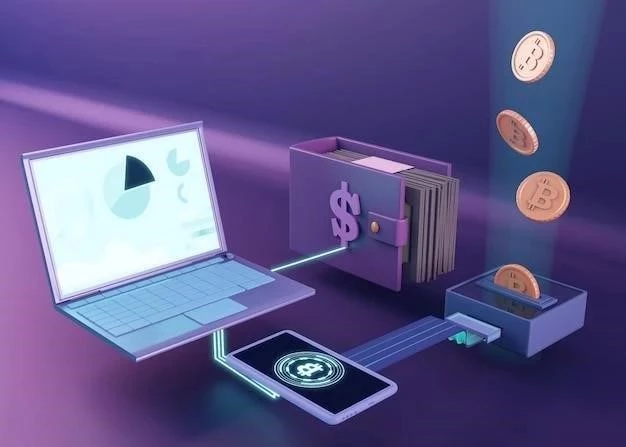
Non-custodial wallets don’t actually store Bitcoin. Bitcoin resides on the blockchain. Instead, they store the cryptographic keys needed to interact with the blockchain and manage your Bitcoin. These keys come in two main forms:
- Private Key: This is secret and must be kept secure. It’s used to sign transactions, proving you authorize the transfer of Bitcoin.
- Public Key: Derived from the private key, this is like your account number. You can share it to receive Bitcoin.
When you send Bitcoin, your wallet uses your private key to create a digital signature. This signature is broadcast to the Bitcoin network, verifying the transaction. The wallet generates a seed phrase (usually 12 or ) which is a human-readable backup of your private key. Protect this seed phrase at all costs!
Benefits of Non-Custodial Wallets
- Full Control: You are the sole owner and controller of your Bitcoin.
- Enhanced Security: Reduced risk of hacks or exchange failures impacting your funds.
- Privacy: Often require less personal information than custodial services.
- Resilience: Not subject to censorship or account freezes.
Risks and Considerations
With great power comes great responsibility. Non-custodial wallets require careful management:
- Lost Seed Phrase = Lost Bitcoin: If you lose your seed phrase, you lose access to your funds – permanently.
- Security Responsibility: You are responsible for protecting your wallet from malware and phishing attacks.
- Transaction Errors: Incorrect addresses or transaction details can lead to irreversible loss of funds.
- Complexity: Can be more complex to set up and use than custodial wallets.
Types of Non-Custodial Wallets
Hardware Wallets
Physical devices that store your private keys offline, offering the highest level of security. (e.g., Ledger, Trezor)
Software Wallets
Applications installed on your computer or mobile device. (e.g., Electrum, Exodus, Trust Wallet)
Web Wallets (Browser Extensions)
Accessed through a web browser extension. (e.g., MetaMask – also supports other cryptocurrencies)
Popular Options
- Ledger Nano S/X: Leading hardware wallet provider.
- Trezor Model T: Another popular hardware wallet.
- Electrum: Desktop wallet known for its advanced features and security.
- Exodus: User-friendly desktop and mobile wallet with a built-in exchange.
- Trust Wallet: Mobile wallet focused on ease of use and DeFi integration.
Non-custodial Bitcoin wallets empower you to truly own your Bitcoin. While they require more responsibility than custodial solutions, the benefits of control, security, and privacy are significant. Choosing the right wallet depends on your technical expertise and security needs. Always prioritize the secure storage of your seed phrase and practice good security habits.